

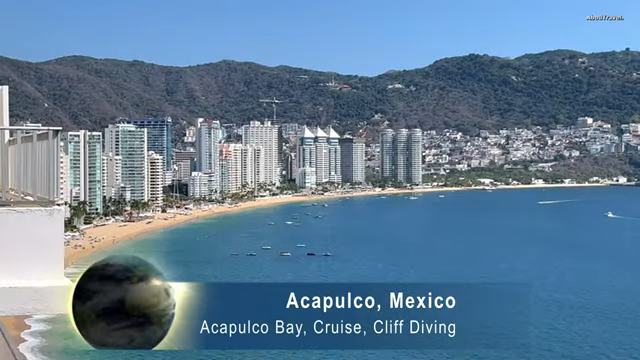
Which Beaches in Acapulco Are Unswimmable? 4 Officially Contaminated in 2026
4 Acapulco beaches are officially classified as unswimmable: Carabalí, Hornos, Caletilla, and Papagayo. Mexico’s Federal Commission for the Protection against Sanitary Risks (COFEPRIS) designated all 4 as unsuitable for recreational swimming ahead of the 2025 summer season, after water samples exceeded WHO bacterial safety limits.
Which Acapulco Beaches Failed the 2026 Water Quality Test?
COFEPRIS tested 289 high-traffic Mexican beaches ahead of summer 2025 and classified 16 as unsuitable for swimmers. Of those 16, 4 are in Acapulco. All 4 exceeded the WHO safe limit of 200 colony-forming units of fecal enterococci per 100 millilitres of water.
| Beach | Zone | Contamination Cause | COFEPRIS Status |
|---|---|---|---|
| Carabalí | Central Acapulco bay | Sewage discharge, drainage failure | Unsuitable |
| Hornos | Central bay, near Papagayo Park | Aging drainage infrastructure | Unsuitable |
| Caletilla | Old Acapulco (La Caleta) | Proximity to old-city drainage outflows | Unsuitable |
| Papagayo | Central bay | Drainage system failure after rain | Unsuitable |
What Makes These Beaches Unsafe for Swimming?
High levels of enterococci bacteria indicate fecal contamination in the water. <cite index=”14-1″>Elevated enterococci concentrations increase the risk of gastrointestinal illness, respiratory infections, and skin diseases for swimmers.</cite>
3 specific health risks are associated with swimming in contaminated water:
- Gastrointestinal illness: Nausea, vomiting, and diarrhoea from swallowing contaminated water.
- Skin and ear infections: Direct contact with enterococci-contaminated water causes rashes and ear infections.
- Respiratory infection: Inhaling water spray in highly contaminated areas irritates the respiratory tract.
Symptoms typically appear within 24 to 72 hours of exposure.
Which Acapulco Beaches Have a History of Contamination?
Acapulco’s beach contamination is a recurring problem, with Hornos, Icacos, and Papagayo failing water quality tests in multiple seasons.
<cite index=”13-1″>Sewage leaked onto Papagayo Beach in April, which the city’s water treatment authority Capama blamed on drainage system failure caused by heavy rain a few blocks away. The dumping of sewage on the city’s beaches has been a recurrent problem, despite fines handed out to local businesses, hotels, and condominiums.</cite>
Historical COFEPRIS failures by beach:
| Beach | Previous Failed Seasons |
|---|---|
| Hornos | Summer 2025, Winter 2021 |
| Papagayo | Summer 2025, April drainage failure |
| Icacos | Recurring sewage events, not on 2025 official list |
| Caletilla | Summer 2025 |
| Carabalí | Summer 2025 |
| Tlacopanocha | Winter 2021 |
Why Are Some Acapulco Beaches Contaminated?
Acapulco’s beach contamination stems from 3 structural causes: aging sewage infrastructure, storm drainage failure, and commercial discharge.
<cite index=”18-1″>Coastal town sanitary sewer systems in Mexico are, for the most part, not up to date, and raw sewage flows directly into the sea, entering near the shoreline, particularly in the oldest sections of these cities. This is a problem across Mexico’s Pacific and Gulf coasts.</cite>
The 3 primary contamination sources in Acapulco are:
- Failed drainage pipes: Broken or overloaded pipes near beach-adjacent businesses discharge directly onto the sand and into the bay. Hornos and Papagayo sit near older city drainage infrastructure that deteriorates faster after heavy rain.
- Runoff after rainfall: <cite index=”18-1″>There is often a large amount of garbage from the streets that ends up in the runoff drains at the beach, most notably during rains.</cite> The rainy season in Acapulco runs from June to October, overlapping with peak tourist season.
- Commercial discharge: <cite index=”18-1″>Car washes directly run their waste water into the bay. Large tanker ships that bring gasoline to the area are docked in the bay where they are directly pumped.</cite>
Contamination worsens within 24 to 48 hours of significant rainfall. It is lowest during dry season and at beaches furthest from urban drainage outflows.
Which Acapulco Beaches Are Safe to Swim In?
The safest beaches in Acapulco are located in the Diamante zone, south of the main bay, away from the city’s drainage network.
Revolcadero Beach, in the Diamante corridor, has not appeared on any COFEPRIS unsuitable list. It sits approximately 14 kilometres south of the central bay and is separated from Acapulco’s older urban drainage infrastructure.
5 Acapulco-area beaches with no recorded COFEPRIS unsuitable designation:
- Revolcadero Beach: Diamante zone, hotel corridor, furthest from old drainage outflows.
- Puerto Marqués: Enclosed bay south of the main bay, lower boat traffic than central Acapulco.
- Barra Vieja: Remote beach east of the airport, low urban runoff.
- Pie de la Cuesta: Lagoon-side beach north of the city, separate from bay drainage.
- Icacos (dry season only): Passes COFEPRIS testing outside of rainy season when drainage systems are not overloaded.
Water quality at all Acapulco beaches improves significantly during the dry season, between November and May.
When Are Acapulco Beaches Most Contaminated?
Acapulco beaches are most contaminated during and immediately after the rainy season, from June to October. Contamination peaks within 48 hours of heavy rainfall.
4 conditions that increase contamination risk at any Acapulco beach:
- Heavy rain in the 48 hours before swimming
- Proximity to drainage outflow points or canal discharge areas
- High tourist season (July and August), when wastewater systems are under greater load
- Early morning, before tidal movement has dispersed overnight discharge
How to Check Acapulco Beach Water Quality Before Swimming
COFEPRIS publishes beach water quality results 3 times per year, before Easter, summer, and winter seasons. Results are publicly available at gob.mx and through the Playas MX app.
3 ways to verify water quality before swimming in Acapulco:
- Playas MX app: Real-time water quality status by beach location. Available on iOS and Android.
- COFEPRIS website: Official seasonal results published at cofepris.gob.mx before each major holiday period.
- Visual check: Black or dark-coloured water, visible foam, or a sewage smell are immediate indicators of contamination. Do not enter the water under any of these conditions.
The 4 beaches officially classified as unswimmable in 2025, including Carabalí, Hornos, Caletilla, and Papagayo, are in the central bay of Acapulco. Choosing beaches in the Diamante zone south of the bay eliminates the primary contamination risk.

Georgia Williams writes for Best Beaches Near Barcelona by riding the same Rodalies trains she sends readers to catch. She has done the quick R2 Sud run out to Castelldefels and Sitges more times than she can count, and the longer hauls north to Calella, Blanes, and the Costa Brava coves around Tossa de Mar, Roses, and Cadaqués.
She is not chasing sponsorships and she does not work with tourism boards. She has stood on enough train platforms recalculating a ruined plan to know that a beach photographed at sunrise with nobody in frame tells you almost nothing about what it looks like at noon in July.
Her writing compares sand, water, and crowd levels town by town, and says plainly when a popular spot has stopped being worth the trip. She also says when an overhyped beach is still genuinely good, because contrarianism for its own sake helps no one packing a beach bag on a Friday morning.