

Amsterdam has no beach within the city itself. The closest beaches sit 25 to 55 minutes away by train, bus, or car: Zandvoort aan Zee and Bloemendaal aan Zee on the North Sea coast, IJmuiden at the mouth of the North Sea Canal, and Muiderberg on the freshwater IJmeer.
Is There a Beach in Amsterdam?
No, Amsterdam does not have a beach inside the city. The Dutch capital sits along canals and the IJ waterway, not the open coast. The nearest beaches require a short train, bus, or drive from Amsterdam Centraal, with the fastest option reaching the sand in 30 minutes.
What Are the Best Beaches Near Amsterdam?
The table below compares all 4 beaches by travel time, water type, and what each is known for.
| Beach | Travel Time from Amsterdam | Water | Known For |
|---|---|---|---|
| Zandvoort aan Zee | 30 min, direct train | North Sea | Long sandy beach, beach pavilions |
| Bloemendaal aan Zee | 35-45 min, train + bus | North Sea | Upscale beach clubs |
| IJmuiden | 30-35 min, direct bus | North Sea | Kitesurfing, wide open beach |
| Muiderberg | 20 min by car, 40-55 min by public transport | IJmeer (freshwater) | Calm, shallow water for families |
How Do You Get to Zandvoort aan Zee From Amsterdam?
A direct NS Sprinter train runs from Amsterdam Centraal to Zandvoort aan Zee in 30 minutes, departing twice an hour, with extra services in July and August. One-way tickets cost around €7. The station sits about 500 meters from the sand, a 5 to 10-minute walk. Driving takes 35 to 45 minutes, though parking near the beach is limited and can fill up on summer weekends.
What Is Zandvoort aan Zee Beach Like?
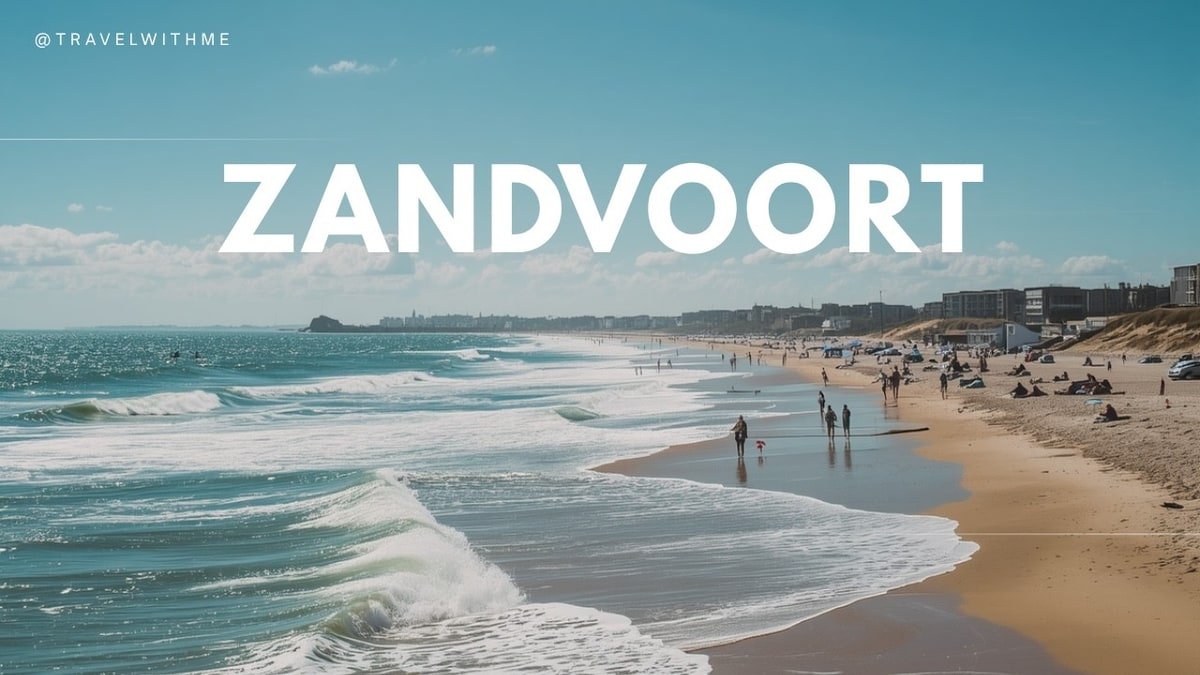
Zandvoort aan Zee has a long, wide sandy beach backed by the dunes of Zuid-Kennemerland National Park. Beach pavilions line the boulevard, offering food, sun loungers, and umbrella rental. Circuit Zandvoort, home to the Dutch Grand Prix, sits just behind the dunes. A designated nudist section runs along the southern stretch of the beach.
How Do You Get to Bloemendaal aan Zee From Amsterdam?
Bloemendaal aan Zee has no train station of its own. The practical route from Amsterdam Centraal uses the same Sprinter line as Zandvoort, getting off one stop earlier at Overveen station, about 24 minutes from Amsterdam, then taking bus 81 for roughly 6 minutes to the beach. Walking from Overveen instead takes 30 minutes or more. The full trip runs 35 to 45 minutes door to door.
What Is Bloemendaal aan Zee Beach Like?
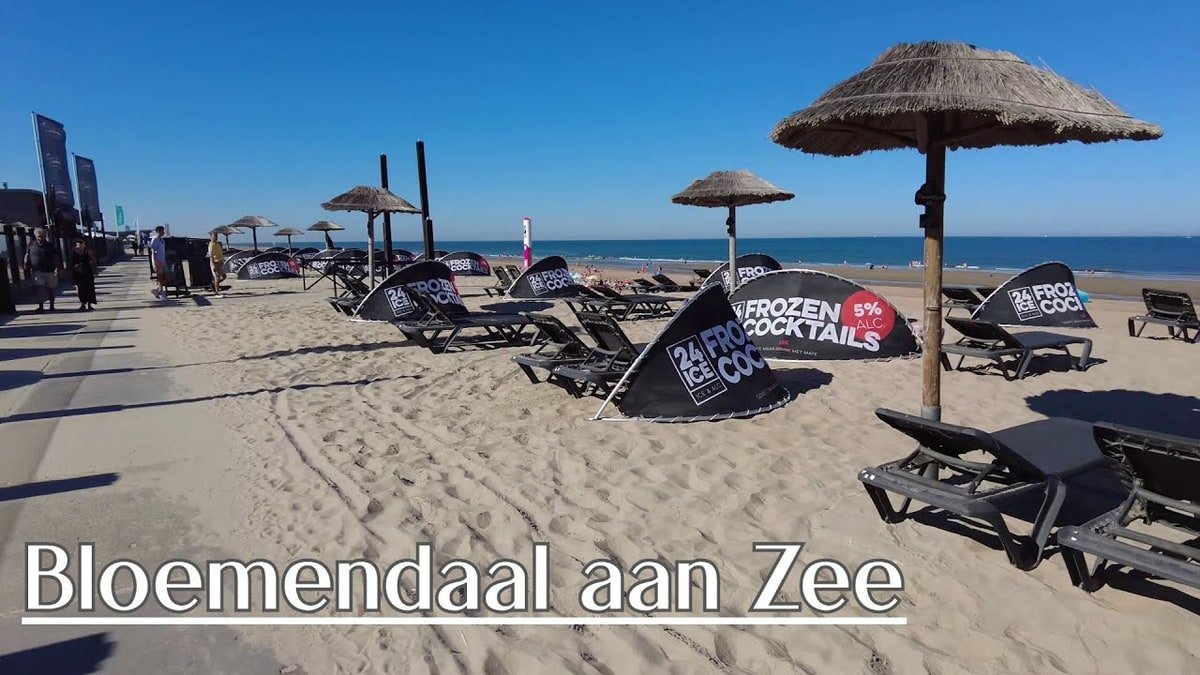
Bloemendaal aan Zee sits on the same stretch of coastline as Zandvoort, sharing the same sand and dune backdrop. The beach is known for a cluster of upscale beach clubs and restaurants, drawing a younger, nightlife-oriented crowd, particularly on weekends during the high season.
How Do You Get to IJmuiden From Amsterdam?
Bus 382 runs from Amsterdam Sloterdijk station to IJmuiden in about 30 to 35 minutes, departing every 15 minutes. There is no direct train to IJmuiden itself. Travelers connecting by train use Santpoort Noord or Driehuis station, followed by a local bus or a 20 to 30-minute walk.
What Is IJmuiden Beach Like?
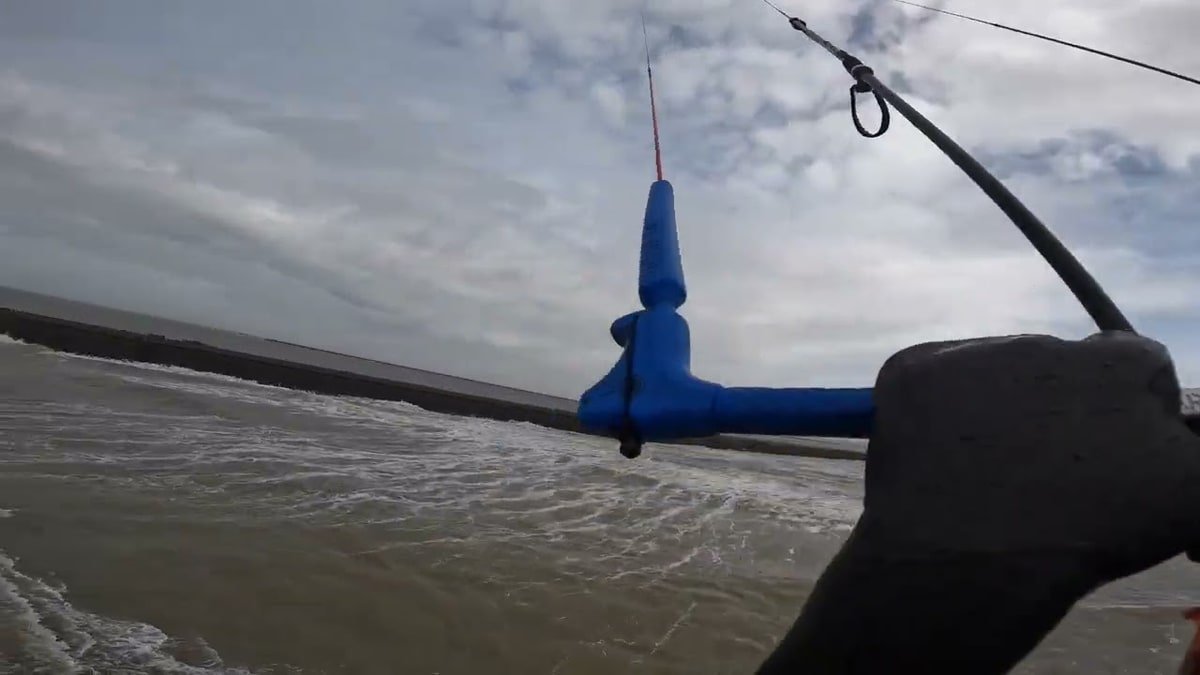
IJmuiden Beach is wider and less developed than Zandvoort, with fewer beach clubs and more open sand. The beach sits beside the mouth of the North Sea Canal, where cargo ships and ferries pass close to shore on their way to Amsterdam's port. Conditions suit kitesurfing, windsurfing, and blokarting (sand yachting) more than casual sunbathing.
How Do You Get to Muiderberg From Amsterdam?
Muiderberg sits about 20 minutes from Amsterdam by car, 22 kilometers away. Public transport takes longer, around 40 to 55 minutes, using bus 110 via Weesp or Muiden, since no direct train or bus route connects the 2 towns. Muiderberg is the most car-dependent of the 4 beaches on this list.
What Is Muiderberg Beach Like?
Muiderberg Beach sits on the IJmeer, a freshwater lake rather than the open North Sea. The water has no waves, a gentle, shallow entry, and slightly warmer summer temperatures than the coastal beaches, making it a common choice for families with young children. The medieval Muiderslot Castle sits a short distance away.
Which Beach Near Amsterdam Is Best for a Day Trip?
Zandvoort aan Zee suits visitors who want the fastest, most direct trip, with a 30-minute train ride and the most facilities. Muiderberg suits families who want calm, shallow water without a long journey by car. IJmuiden suits visitors interested in water sports over sunbathing. Bloemendaal aan Zee suits visitors prioritizing beach clubs and nightlife over convenience.
What Are Common Questions About Beaches Near Amsterdam?
Which Beach Near Amsterdam Has the Shortest Train Ride?
Zandvoort aan Zee has the shortest direct train ride from Amsterdam Centraal, at 30 minutes.
Can You Reach Beaches Near Amsterdam Without a Car?
Zandvoort aan Zee, Bloemendaal aan Zee, and IJmuiden are all reachable by train or bus without a car. Muiderberg is the most car-dependent of the 4, with public transport taking more than twice as long as driving.
Are Beaches Near Amsterdam Free to Visit?
Entry to every beach near Amsterdam is free. Sun lounger and umbrella rental, beach club access, and water-sports equipment carry separate fees.
What Should You Know Before Visiting Beaches Near Amsterdam?
Amsterdam has no beach of its own, but 4 beaches sit within an hour of the city: Zandvoort aan Zee and Bloemendaal aan Zee on the North Sea coast, IJmuiden at the canal mouth, and Muiderberg on the calmer IJmeer. Zandvoort offers the fastest direct train connection, while Muiderberg suits a shorter trip by car for visitors prioritizing calm water over speed. For the full range of swimming spots across the country, see the best beaches in the Netherlands. For coastal options in South Holland, see Leiden guide.

Georgia Williams writes for Best Beaches Near Barcelona by riding the same Rodalies trains she sends readers to catch. She has done the quick R2 Sud run out to Castelldefels and Sitges more times than she can count, and the longer hauls north to Calella, Blanes, and the Costa Brava coves around Tossa de Mar, Roses, and Cadaqués.
She is not chasing sponsorships and she does not work with tourism boards. She has stood on enough train platforms recalculating a ruined plan to know that a beach photographed at sunrise with nobody in frame tells you almost nothing about what it looks like at noon in July.
Her writing compares sand, water, and crowd levels town by town, and says plainly when a popular spot has stopped being worth the trip. She also says when an overhyped beach is still genuinely good, because contrarianism for its own sake helps no one packing a beach bag on a Friday morning.