

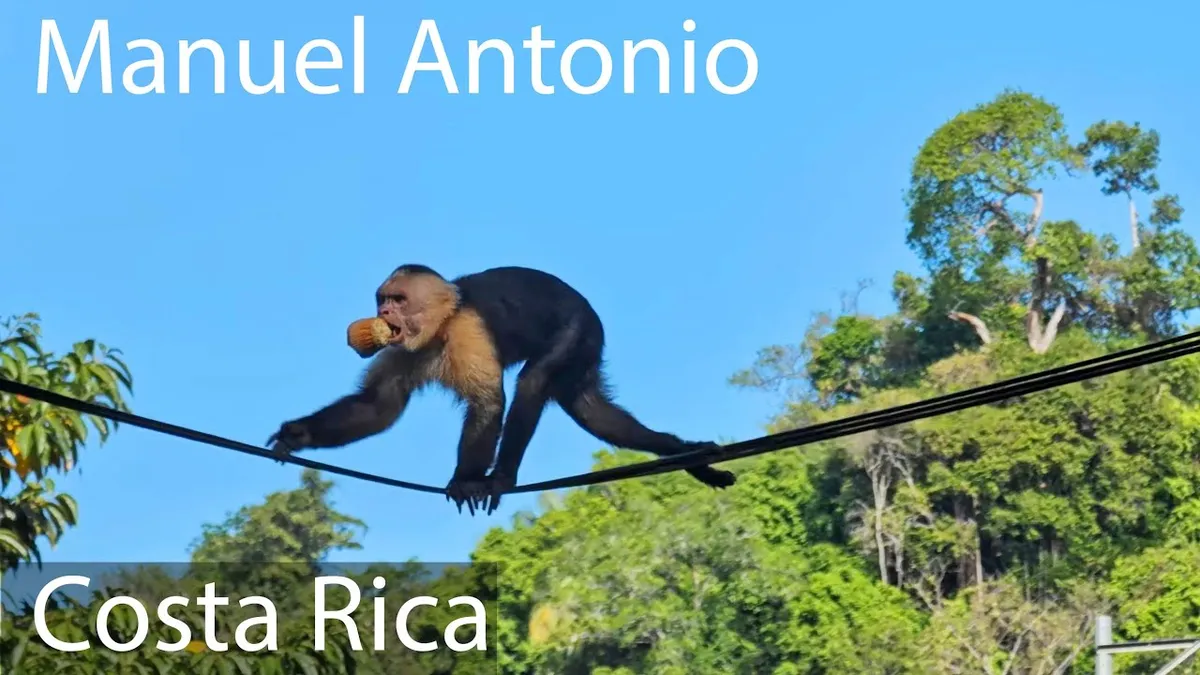
Manuel Antonio leads the best beaches in Costa Rica for wildlife and calm water. Tamarindo leads for beginner surfing, and Playa Conchal leads for clear water and snorkeling. The 8 best beaches in Costa Rica span 2 coasts, with the Pacific dry season running from mid-December to April.
This guide compares the 8 beaches, with park fees, drive times, and the best pick for each travel style.
What Are the Best Beaches in Costa Rica?
The best beaches in Costa Rica are Manuel Antonio, Tamarindo, Playa Conchal, Playa Flamingo, Samara, Santa Teresa, Uvita, and Punta Uva. A Costa Rica beach combines sand, warm water, and rainforest or dry forest within a short drive of an airport.
Examples include a national park cove with monkeys and sloths, a surf town with schools and restaurants, and a shell-sand beach with turquoise water. Costa Rica has 2 coasts: the Pacific coast in the west and the Caribbean coast in the east.
The Pacific coast holds 7 of the 8 beaches in this guide. The Caribbean coast holds Punta Uva, near Puerto Viejo, with Afro-Caribbean food and culture. All beaches in Costa Rica are public by law, and the first 50 meters from the high-tide line stay open to everyone.
Which 8 Beaches Lead the Costa Rica Lists?
The table below lists the 8 best beaches in Costa Rica, with the coast, the best use, and the travel time from the nearest airport for each beach.
| Beach | Coast | Best For | Travel Time |
|---|---|---|---|
| Manuel Antonio | Central Pacific | Wildlife, calm cove swimming | About 3 hours from San Jose |
| Tamarindo | Guanacaste, Pacific | Beginner surf, nightlife | About 1 hour 15 minutes from Liberia |
| Playa Conchal | Guanacaste, Pacific | Clear water, snorkeling | About 1 hour from Liberia |
| Playa Flamingo | Guanacaste, Pacific | White sand, resorts | About 1 hour from Liberia |
| Samara | Nicoya Peninsula, Pacific | Families, gentle waves | About 2 hours from Liberia |
| Santa Teresa | Nicoya Peninsula, Pacific | Surfing, sunsets | 4.5 to 5.5 hours by road from Liberia |
| Uvita | South Pacific | Whale watching | About 3.5 hours from San Jose |
| Punta Uva | Caribbean | Calm water, local culture | About 4.5 hours from San Jose |
Manuel Antonio sits inside a national park on the Central Pacific coast. Tamarindo serves as the liveliest beach town in Guanacaste. Playa Conchal gets its turquoise color from crushed shells in the sand. Playa Flamingo shows white sand with pink undertones. Samara sits inside a reef-protected bay with gentle waves.
Santa Teresa draws experienced surfers to the Nicoya Peninsula. Uvita sits off the South Pacific coast near Marino Ballena National Park. Punta Uva sits on the Caribbean coast near Puerto Viejo.
What Makes Manuel Antonio the Top Beach?
Manuel Antonio ranks as the top beach in Costa Rica for wildlife and calm water in a national park setting. Playa Manuel Antonio sits inside Manuel Antonio National Park as a sheltered cove with calm water. Sloths, capuchin monkeys, and iguanas appear at the edge of the sand.
The park opens from 7 a.m. to 4 p.m. and closes on Tuesdays. Tickets sell online only through the SINAC system and cost $18.08 for foreign adults including tax. Tickets often sell out days ahead in high season, so advance booking matters. The park limits daily visitors.
Food, chairs, umbrellas, and drones stay outside the park gates. Playa Espadilla sits just outside the park entrance as a free public beach with chair rentals and restaurants nearby. The park lies about 3 hours from San Jose by road.
Which Beaches Suit Surfers, Swimmers, and Families?
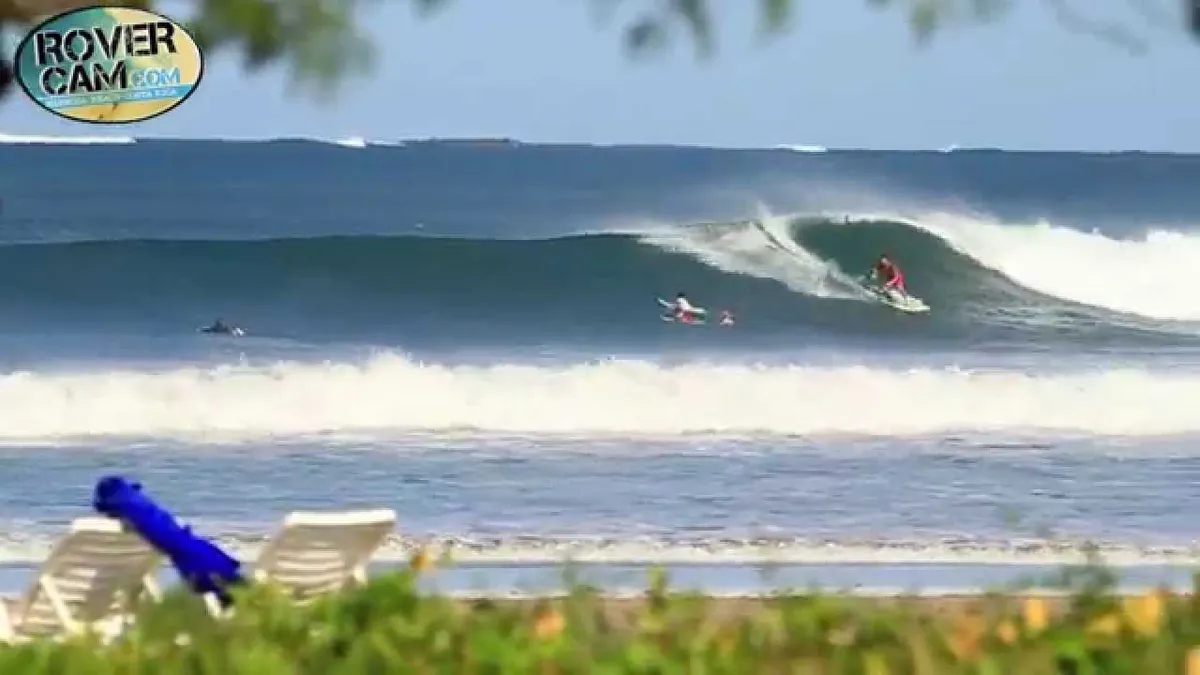
Each beach in Costa Rica suits a different traveler. Choose Tamarindo for first surf lessons, with the widest choice of surf schools in Guanacaste. Choose Santa Teresa for experienced surfing and sunsets on the Nicoya Peninsula. Choose Playa Avellanas for a quiet surf day, 25 minutes south of Tamarindo.
Choose Playa Conchal for clear water and snorkeling, with visibility up to 40 feet. Choose Punta Uva for calm Caribbean water and reef access from shore. Choose Samara for family swimming in a reef-protected bay with gentle waves. Choose Manuel Antonio for wildlife plus swimming in a sheltered cove.
Choose Uvita for whale watching from July to October and December to March. Choose Playa Flamingo for white sand and resort stays in Guanacaste.
When Is the Best Time to Visit Costa Rica Beaches?
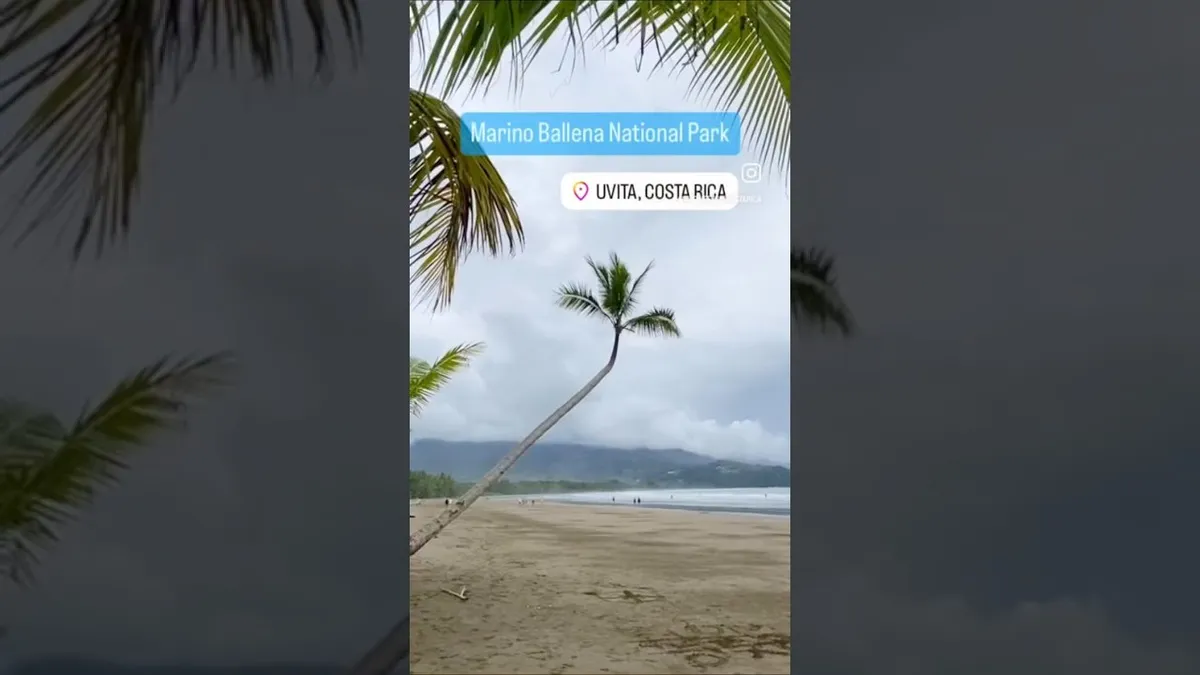
The best time to visit depends on the coast. The Pacific dry season runs from mid-December to April, with sunny days and rare rain.
Guanacaste, in the northwest, stays the driest and sunniest part of Costa Rica, and most of its beaches sit 30 minutes to 2 hours from Guanacaste Airport near Liberia.
The Caribbean coast runs on a different calendar, with the driest months in September and October and a second dry window from February to April. The Pacific green season runs from May to November, with smaller crowds and lower prices and afternoon rain.
Humpback whales pass Uvita from July to October and again from December to March. Rip currents pose the main safety risk on Costa Rica beaches, and rip currents drown dozens of people each year, so sheltered bays like Conchal, Samara, and the Manuel Antonio coves offer the safest swimming.
What Do the Beach Access Rules Say?
All beaches in Costa Rica are public by law. The first 50 meters from the high-tide line belongs to everyone, so visitors can walk onto the crushed-shell sand of Playa Conchal in front of a large resort without paying anyone.
The only beaches with a gate sit inside national parks such as Manuel Antonio, Cahuita, and Marino Ballena. Park beaches charge an entry fee and set opening hours. Lifeguards work at very few beaches in Costa Rica, and most surf beaches carry no lifeguard cover.
Crocodiles live in the Tamarindo estuary, so swimming near the river mouth carries risk. Visitors check local advice on currents and wildlife before entering the water at any beach.
What Do Travelers Ask About Best Beaches in Costa Rica?
What Is the Best Beach in Costa Rica?
Manuel Antonio ranks as the best beach in Costa Rica for wildlife and calm water, with a national park cove and daily monkey and sloth sightings.
Which Beach Is Best for Learning to Surf in Costa Rica?
Tamarindo ranks as the best beach for learning to surf, with consistent beginner waves and the widest choice of surf schools in Guanacaste.
Which Beach Has the Clearest Water in Costa Rica?
Playa Conchal has the clearest water among the main beaches, with crushed-shell sand and snorkeling visibility up to 40 feet.
When Is the Dry Season in Costa Rica?
The Pacific dry season runs from mid-December to April, and the Caribbean side stays driest in September and October.
What Does the Listing Show?
The listing shows the 8 leaders in one view: 1) Manuel Antonio, wildlife and calm water; 2) Tamarindo, beginner surf; 3) Playa Conchal, clear water; 4) Playa Flamingo, white sand; 5) Samara, families; 6) Santa Teresa, surfing; 7) Uvita, whale watching; 8) Punta Uva, Caribbean culture.
What Is the Definitive Answer?
The best beaches in Costa Rica are Manuel Antonio for wildlife, Tamarindo for beginner surfing, and Playa Conchal for clear water, with the Pacific dry season from mid-December to April as the best time to visit.
The 8 beaches span 2 coasts, with 7 on the Pacific and 1 on the Caribbean. All beaches stay public by law, and the safest swimming sits in sheltered bays like Conchal, Samara, and the Manuel Antonio coves.
What Are the Instructions?
Plan a Costa Rica beach trip in 5 steps:
- Pick a coast, Pacific for dry season sun or Caribbean for September and October.
- Match a beach to a travel style from the list above.
- Book Manuel Antonio tickets online in advance, since the park caps daily visitors.
- Check rip current advice at each beach before swimming.
- Pack reef-safe sunscreen and water shoes for shell sand and rocky entries.
Sources: Civitatis Best Beaches in Costa Rica (civitatis.com); Tico Travel Best Beaches in Costa Rica (ticotravel.com); Costa Rica Experts Best Beaches (costaricaexperts.com); TravelDojo Best Beaches in Costa Rica (traveldojo.com).

Georgia Williams writes for Best Beaches Near Barcelona by riding the same Rodalies trains she sends readers to catch. She has done the quick R2 Sud run out to Castelldefels and Sitges more times than she can count, and the longer hauls north to Calella, Blanes, and the Costa Brava coves around Tossa de Mar, Roses, and Cadaqués.
She is not chasing sponsorships and she does not work with tourism boards. She has stood on enough train platforms recalculating a ruined plan to know that a beach photographed at sunrise with nobody in frame tells you almost nothing about what it looks like at noon in July.
Her writing compares sand, water, and crowd levels town by town, and says plainly when a popular spot has stopped being worth the trip. She also says when an overhyped beach is still genuinely good, because contrarianism for its own sake helps no one packing a beach bag on a Friday morning.