

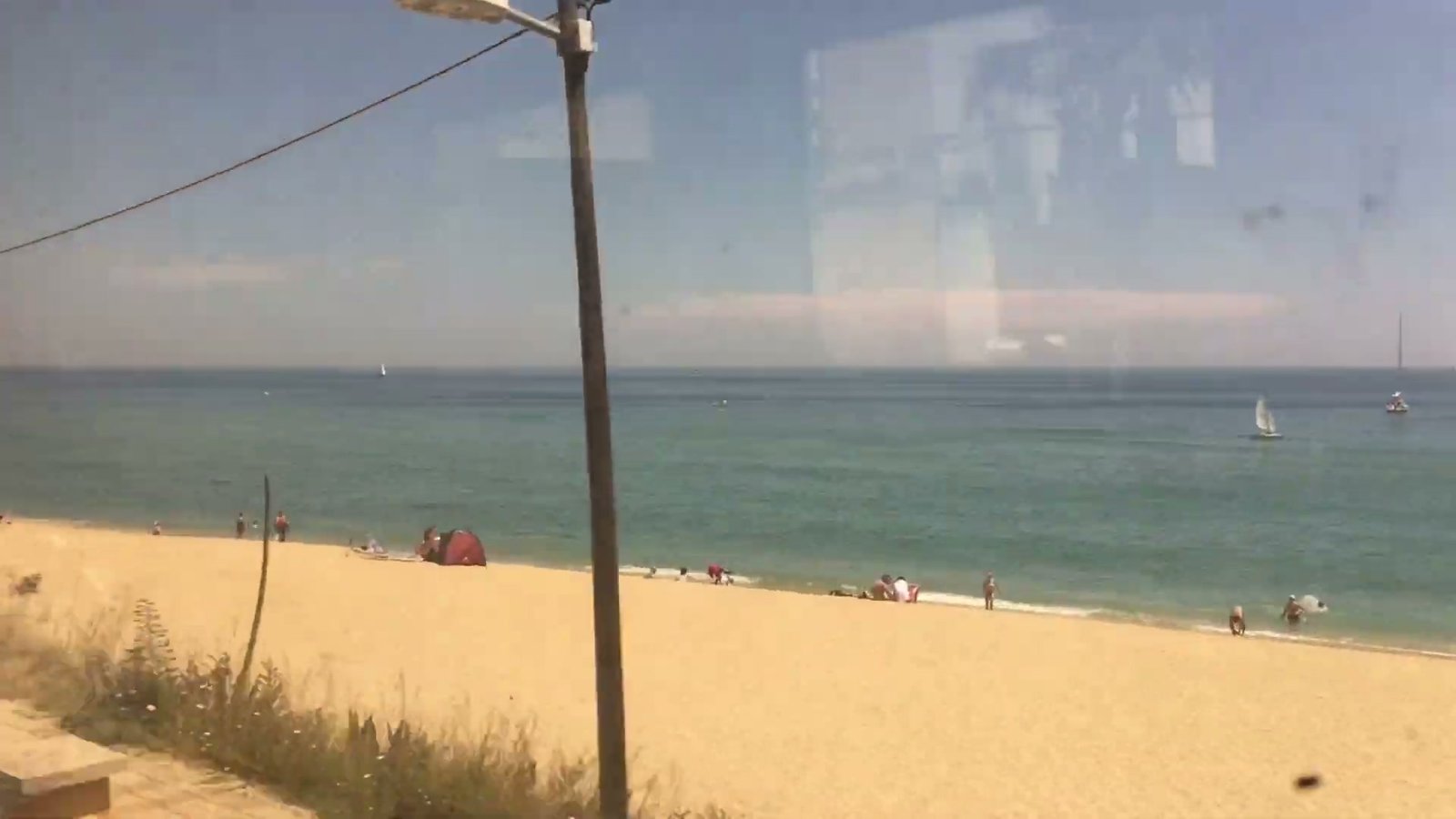
Platja d'Ocata ranks first among beaches near Barcelona without crowds. It is a broad, 1.5-mile beach reached in 30 to 40 minutes on the Rodalies R1 train. Four more picks follow: Platja El Morer, Gavà Mar, Platja de Garraf, and Castelldefels. Each entry lists the train line, ride time, and reason for lower crowds, according to AFAR and other travel sources.
What Are Beaches Near Barcelona Without Crowds?
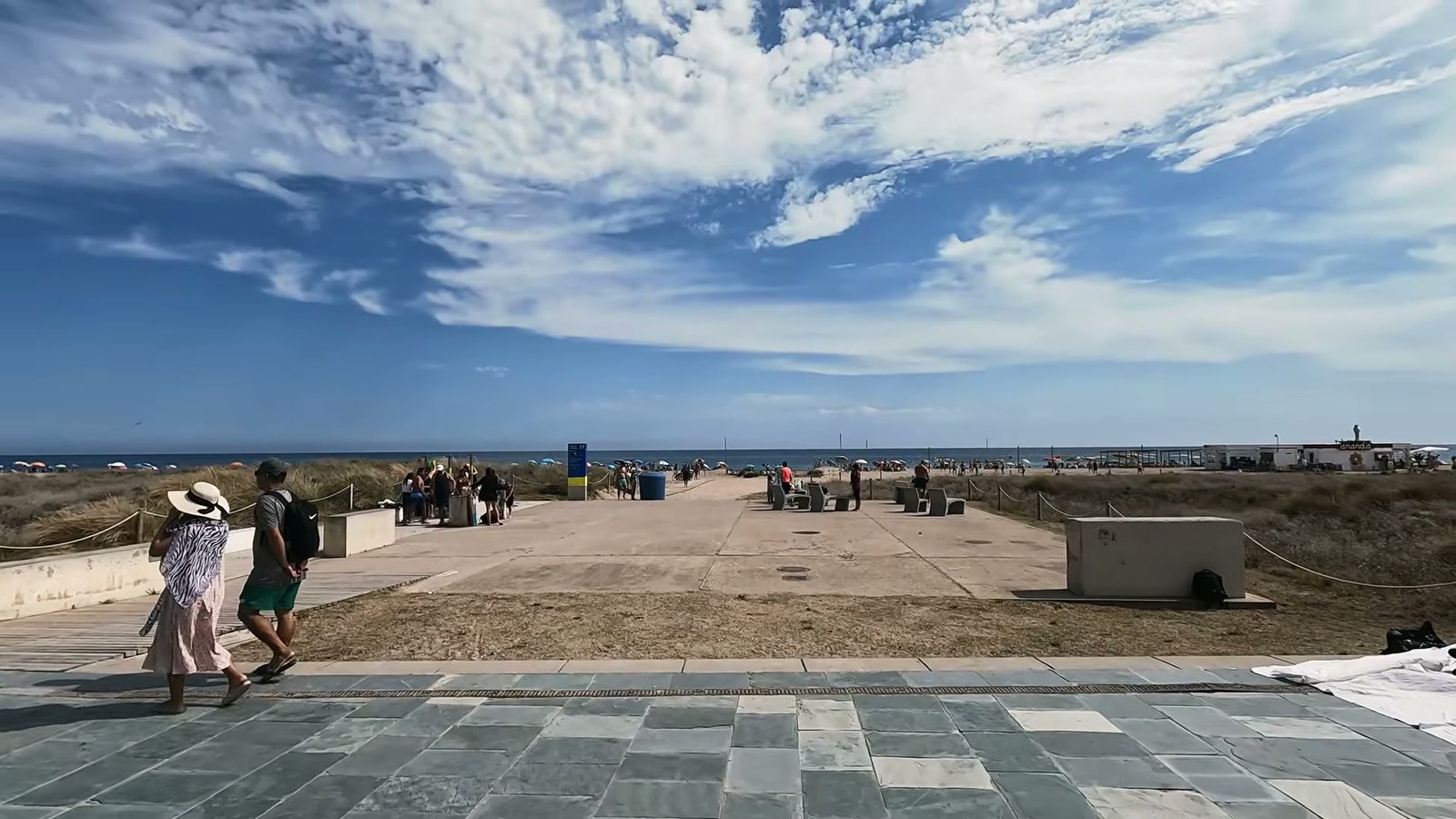
Beaches near Barcelona without crowds are Catalan coast beaches within about 65 minutes by train that offer wider sand and fewer visitors than city beaches. Examples include Platja d'Ocata, Platja El Morer, and Gavà Mar.
The table ranks 5 beaches by reported quiet and sand space. Each row lists one beach, and each column lists one attribute.
| Rank | Beach | Train Line | Train Time From Barcelona | Space Detail |
|---|---|---|---|---|
| 1 | Platja d'Ocata | R1 | 30 to 40 minutes | 1.5-mile-long, broad sand |
| 2 | Platja El Morer | R1 | About 65 minutes | North of the busier Platja de les Barques |
| 3 | Gavà Mar | R2 Sud | About 20 minutes | North of Castelldefels, residential area |
| 4 | Platja de Garraf | R2 Sud | About 30 minutes | Smaller beach surrounded by a park |
| 5 | Castelldefels | R2 | 20 minutes to the town center | 3-mile-long, divided into 3 beaches |
1. Why Is Platja d'Ocata Quiet Compared With City Beaches?
Platja d'Ocata is quiet because its 1.5-mile-long, broad sand leaves room for every visitor, according to AFAR. Much of the Maresme shoreline is narrower, so Ocata's width is uncommon along this coast.
Beach bars (xiringuitos) serve drinks and tapas on the sand. The El Masnou marina, a 15-minute walk away, has dozens of restaurants.
Take the Rodalies R1 from Barcelona Sants or Plaça de Catalunya to Ocata station. The ride takes 30 to 40 minutes.
2. Why Is Platja El Morer Quieter Than Nearby Beaches?
Platja El Morer is quieter because Platja de les Barques, next to the Sant Pol de Mar station, absorbs most of the crowd, according to AFAR. El Morer lies slightly north of that beach.
Sant Pol de Mar has fine golden sand, rocky outcrops, and Catalan art nouveau (modernisme) buildings. Take the Rodalies R1 from Barcelona Sants or Plaça de Catalunya to Sant Pol de Mar. The ride takes about 65 minutes.
3. Why Is Gavà Mar Quieter Than Castelldefels?
Gavà Mar is quieter and more residential than neighboring Castelldefels, according to AFAR. Lonely Planet describes the Gavà beach as large and quiet, near the Baix Llobregat marshlands and close to the airport.
Gavà sits on the R2 Sud corridor, one stop before Castelldefels. Take an R2 train from Barcelona Sants toward Castelldefels and exit at Gavà.
4. Is Platja de Garraf Crowded?
Platja de Garraf gets busy in high season but stays quieter than Barcelona's main beaches, according to Expedia. The beach is smaller than its neighbors and sits inside a park with picturesque beach sheds, according to AFAR.
Garraf is one stop beyond Castelldefels. Take the R2 Sud from Barcelona Sants. The ride takes about 30 minutes, according to Barcelona Metropolitan.
5. Why Is Castelldefels Beach Spacious?
Castelldefels has a 3-mile-long beach divided into 3 beaches, according to AFAR. The beach offers beach bars, freshwater showers, and kitesurfing.
Take the R2 from Barcelona Sants or Estació de França to Castelldefels. The ride to the town center takes 20 minutes. The beach is a 30-minute walk or a local bus ride of about 20 minutes from the station.
Which Beaches Near Barcelona Are the Most Crowded?
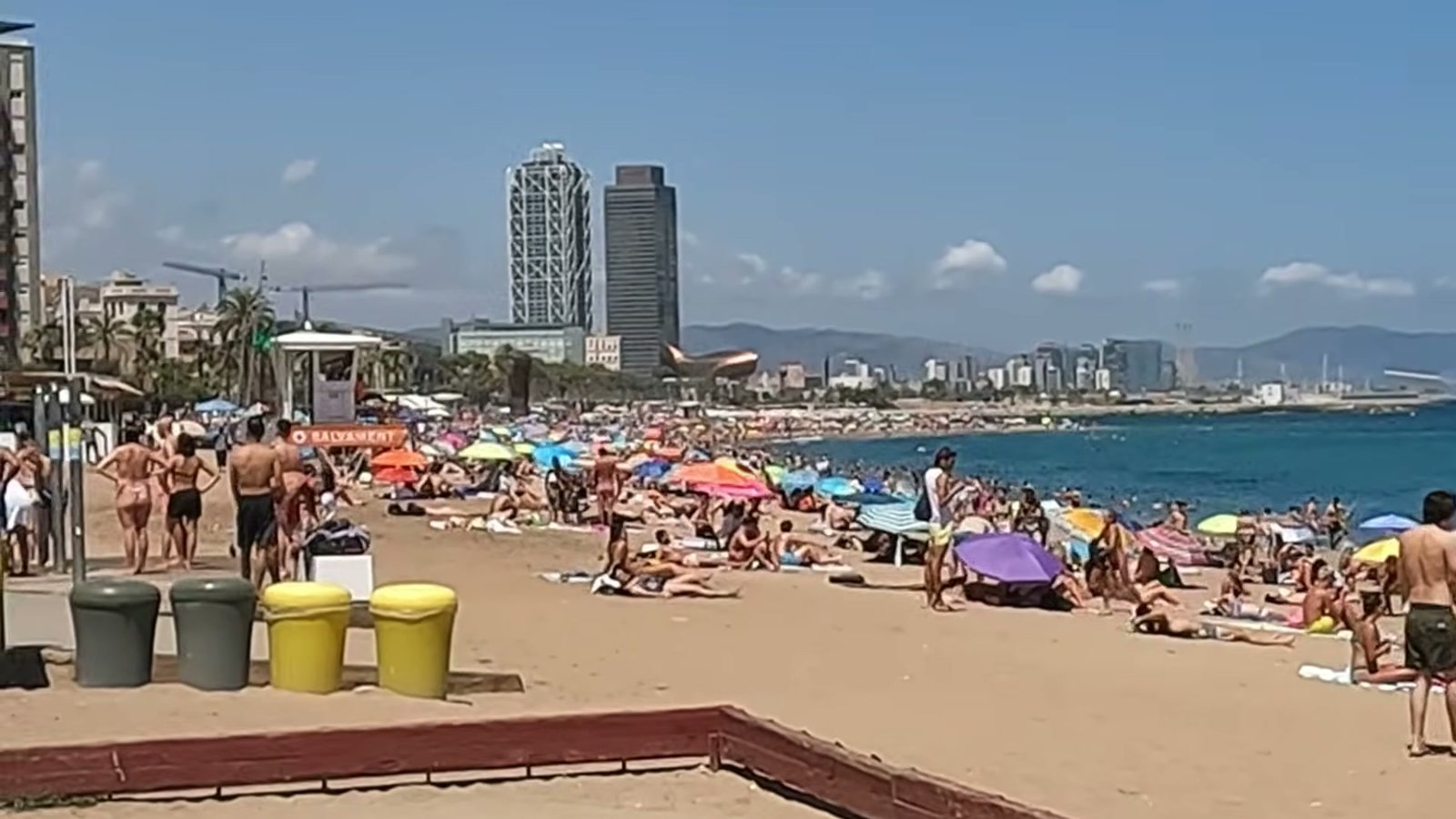
Barceloneta is the most crowded beach in Barcelona, according to Culture Trip. Sitges gets crowded on summer weekends and holidays, according to AFAR. Garraf becomes busy in high season, according to Expedia.
When Are Beaches Near Barcelona Least Crowded?
Weekdays and shoulder seasons have the fewest crowds, according to AFAR. AFAR names September and October as months with warm water and practically empty sand at Sa Tuna on the Costa Brava.
Train timing matters in summer. Tourism Attractions reports that morning R2 Sud trains from Barcelona Sants fill by 10:00 in July and August. Departures before 9:00 am or after 11:00 am avoid that peak.
How Do You Reach Quiet Beaches Near Barcelona by Train?
Take the R1 north or the R2 south from Barcelona Sants. Follow 5 steps:
- Choose a beach: Ocata and El Morer lie north on the R1, and Gavà Mar, Garraf, and Castelldefels lie south on the R2.
- Select a departure station: Barcelona Sants serves both lines.
- Buy a ticket: use a station ticket machine or an online retailer.
- Board the train: take the R1 for Ocata and Sant Pol de Mar, or the R2 Sud for Gavà, Garraf, and Castelldefels.
- Exit at the station: Ocata, Sant Pol de Mar, Gavà, Garraf, or Castelldefels.
For the Sitges route, read How to Get to Sitges From Barcelona by Train in 4 Steps.
What Are Common Questions About Beaches Near Barcelona Without Crowds?
Is Sitges a Crowd-Free Beach Near Barcelona?
No, Sitges gets crowded on summer weekends and holidays, according to AFAR.
Which Quiet Beaches Are Closest to Barcelona by Train?
Gavà Mar and Castelldefels are the closest, at about 20 minutes on the R2.
Can Visitors Reach These Beaches Without a Car?
Yes, Rodalies R1 and R2 trains reach all 5 beaches, and Castelldefels needs a 30-minute walk or a local bus from the station.
Which Quiet Beach Near Barcelona Has the Longest Sand?
Castelldefels has the longest sand, at 3 miles, according to AFAR.
Which Beaches Near Barcelona Without Crowds Rank Highest?
Platja d'Ocata ranks first, followed by Platja El Morer, Gavà Mar, Platja de Garraf, and Castelldefels. Ocata offers 1.5 miles of broad sand, 30 to 40 minutes from Barcelona on the R1. Weekday and shoulder-season visits lower crowd levels at all 5 beaches.

Georgia Williams writes for Best Beaches Near Barcelona by riding the same Rodalies trains she sends readers to catch. She has done the quick R2 Sud run out to Castelldefels and Sitges more times than she can count, and the longer hauls north to Calella, Blanes, and the Costa Brava coves around Tossa de Mar, Roses, and Cadaqués.
She is not chasing sponsorships and she does not work with tourism boards. She has stood on enough train platforms recalculating a ruined plan to know that a beach photographed at sunrise with nobody in frame tells you almost nothing about what it looks like at noon in July.
Her writing compares sand, water, and crowd levels town by town, and says plainly when a popular spot has stopped being worth the trip. She also says when an overhyped beach is still genuinely good, because contrarianism for its own sake helps no one packing a beach bag on a Friday morning.