

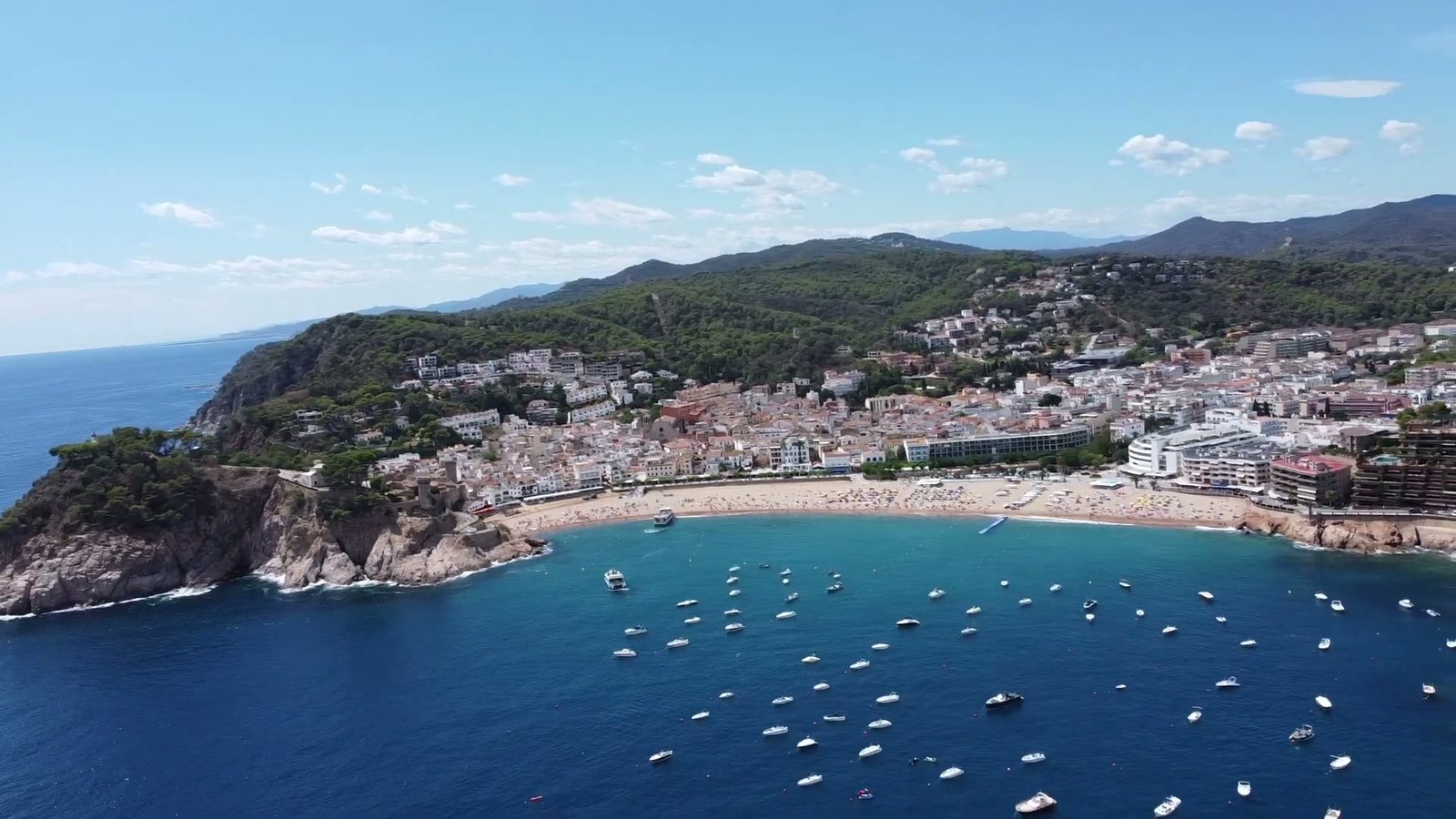
Costa Brava beaches are rocky coves backed by pine forests. Costa Dorada beaches are wide sandy stretches with gentle sea entry. Costa Dorada wins 3 of 6 criteria, and Costa Brava wins 3 of 6. The comparison covers beach length, sea entry, train access, coves, hiking trails, and snorkeling, according to AFAR, Idealista, Admiral Travel, and Lastminute.
What Are the Costa Brava and the Costa Dorada?
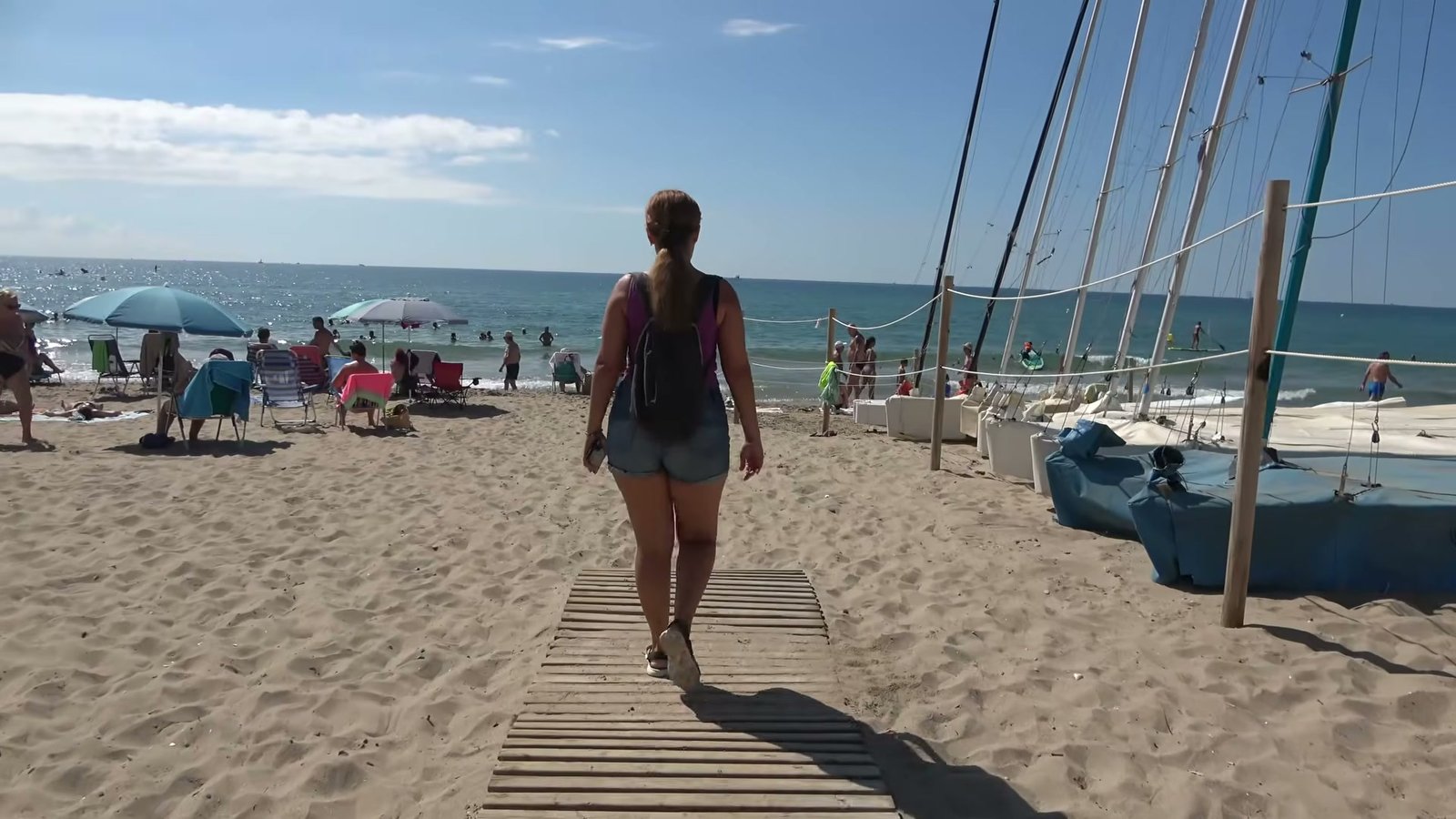
The Costa Brava is the "Rugged Coast" of Girona province, and the Costa Dorada is the "Golden Coast" of Tarragona province. The Costa Brava begins at Blanes, northeast of Barcelona, according to AFAR. The Costa Dorada lies south of Barcelona, according to Club Villamar.
Examples of Costa Brava towns include Blanes, Lloret de Mar, Tossa de Mar, and Begur. Examples of Costa Dorada towns include Salou, Cambrils, Calafell, and Altafulla.
The table below compares the 2 coasts on 6 basic features. Each row lists one feature, and each column lists one coast.
| Feature | Costa Brava | Costa Dorada |
|---|---|---|
| Name meaning | Rugged Coast | Golden Coast |
| Direction from Barcelona | Northeast | South |
| Province | Girona | Tarragona |
| Typical coastline | Rocky coves, cliffs, pine forests | Wide sandy beaches, resort promenades |
| Blue Flag beaches in 2026 | 27 (Girona province) | 35 (Tarragona province, including Terres de l'Ebre) |
| Example attraction | Camí de Ronda coastal trails | PortAventura theme park |
The Tarragona figure includes the Terres de l'Ebre, so Idealista's count is not a Costa Dorada-only total.
How Do Costa Brava and Costa Dorada Beaches Compare?
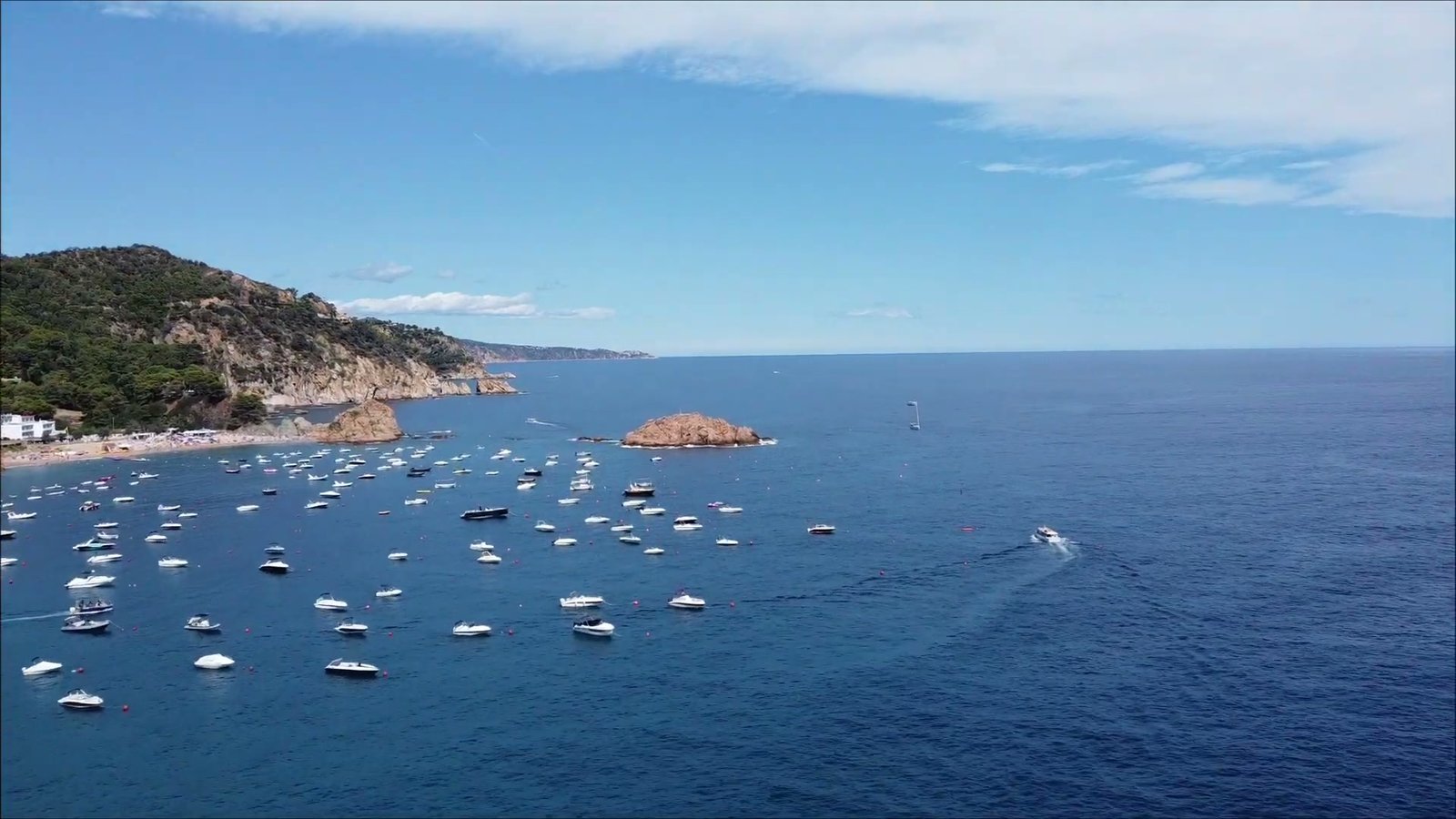
Costa Dorada leads on beach length, sea entry, and train access, and Costa Brava leads on coves, hiking trails, and snorkeling. The table below lists the 6 criteria with a winner for each.
| Criterion | Costa Brava | Costa Dorada | Winner |
|---|---|---|---|
| Longest beaches | S'Abanell, over 2 km | Calafell, 3 miles (about 4.8 km) | Costa Dorada |
| Sea entry | Varies by beach | Gentle at Salou, La Pineda, Cambrils | Costa Dorada |
| Train access from Barcelona | Blanes, 90 minutes | Altafulla, about 80 minutes | Costa Dorada |
| Coves | Sa Tuna, Aiguablava, Cala Pola | Fewer, reached on foot | Costa Brava |
| Coastal hiking trails | Camí de Ronda | Limited | Costa Brava |
| Snorkeling spots | Sa Tuna, Tossa de Mar coves | None documented in sources | Costa Brava |
Which Coast Has Longer Beaches?
The Costa Dorada has longer beaches. According to Lastminute, Calafell has a 3-mile uninterrupted stretch of golden sand. According to Idealista, La Pineda exceeds 2.5 km. Idealista names S'Abanell in Blanes as the longest Costa Brava beach, at over 2 km.
Which Coast Has Gentler Sea Entry?
The Costa Dorada has gentler sea entry. According to Admiral Travel, Salou, La Pineda, and Cambrils slope gradually into the water. On the Costa Brava, entry depends on the beach. Lloret de Mar has sand, and Tossa de Mar has pebbles and coarse sand. Admiral Travel calls the gentle entry at S'Abanell in Blanes rare for the Costa Brava.
Which Coast Is Easier to Reach by Train From Barcelona?
The Costa Dorada is easier to reach by train. According to AFAR, trains from Barcelona Sants or Estació de França reach Altafulla in about 80 minutes. The R1 reaches Blanes, the first Costa Brava town, in 90 minutes. AFAR identifies a rental car as the easiest way to reach the beaches along the rest of the Costa Brava.
Which Coast Has More Coves?
The Costa Brava has more coves. According to AFAR, Sa Tuna, Aiguablava, and Sa Riera are coves with clear water along the Begur coast. According to Admiral Travel, Cala Giverola and Cala Pola near Tossa de Mar are coves with pebbly sea entry. Lastminute notes that Costa Dorada coves exist but require walking to reach.
Which Coast Has Coastal Hiking Trails?
The Costa Brava has the Camí de Ronda hiking trails. The trails connect coves and fishing villages above the sea, according to Admiral Travel. AFAR describes a 20-minute Camí de Ronda walk between Calella de Palafrugell and Llafranc.
Which Coast Has Water Suited to Snorkeling?
The Costa Brava has documented snorkeling spots. AFAR names Sa Tuna for its clear water. Lastminute reports exceptional snorkeling in the coves around Tossa de Mar.
Which Coast Suits Which Type of Visitor?
Visitor needs map to the criteria winners. The list below pairs 5 visitor types with a coast.
- Families with young children: Costa Dorada, for gentle sea entry
- Day trippers by train: Costa Dorada, for the 80-minute ride to Altafulla
- Hikers: Costa Brava, for the Camí de Ronda
- Snorkelers: Costa Brava, for clear cove water
- Cove seekers: Costa Brava, for Sa Tuna and Aiguablava
What Are Common Questions About Costa Brava vs Costa Dorada Beaches?
How Far Are the Costa Brava and Costa Dorada From Barcelona by Train?
Blanes is 90 minutes and Altafulla is about 80 minutes by train, according to AFAR.
Which Coast Has More Blue Flag Beaches?
Tarragona province has 35 and Girona province has 27 in 2026, according to Idealista, but the Tarragona count includes the Terres de l'Ebre.
Which Coast Has Sandy Beaches for Children?
Salou, La Pineda, and Cambrils on the Costa Dorada have gentle sea entry, and Lloret de Mar and Blanes on the Costa Brava have sandy beaches.
Is PortAventura on the Costa Dorada?
Yes, PortAventura sits near Salou on the Costa Dorada, according to Travel Weekly.
Which Coast Wins: Costa Brava or Costa Dorada Beaches?
The result is a 3-3 tie: Costa Dorada wins beach length, sea entry, and train access, and Costa Brava wins coves, hiking trails, and snorkeling. The Costa Dorada offers wide sandy beaches with gentle sea entry. The Costa Brava offers rocky coves with clear water. The visitor's priority decides the match.

Georgia Williams writes for Best Beaches Near Barcelona by riding the same Rodalies trains she sends readers to catch. She has done the quick R2 Sud run out to Castelldefels and Sitges more times than she can count, and the longer hauls north to Calella, Blanes, and the Costa Brava coves around Tossa de Mar, Roses, and Cadaqués.
She is not chasing sponsorships and she does not work with tourism boards. She has stood on enough train platforms recalculating a ruined plan to know that a beach photographed at sunrise with nobody in frame tells you almost nothing about what it looks like at noon in July.
Her writing compares sand, water, and crowd levels town by town, and says plainly when a popular spot has stopped being worth the trip. She also says when an overhyped beach is still genuinely good, because contrarianism for its own sake helps no one packing a beach bag on a Friday morning.