

Best Tulum Alternatives in Europe: 5 Coastal Destinations for the Same Appeal
Tulum draws travelers with 5 specific qualities: ancient ruins above the sea, crystal-clear turquoise water, bohemian arts culture, boutique accommodation, and warm climate. These qualities exist across 5 European coastal destinations, with the best beaches near Barcelona serving as the closest combined equivalent.What Makes Tulum Popular?
Tulum is a coastal town in Quintana Roo, Mexico, known for Mayan ruins positioned on a cliff above the Caribbean Sea, clear turquoise water, and a bohemian village atmosphere. Average temperatures in Tulum reach 29°C in July. Tulum’s 5 core draws are:- Ancient ruins overlooking the sea
- Turquoise, crystal-clear water with hidden coves
- Bohemian arts and wellness culture
- Boutique and eco-conscious accommodation
- Cobblestone streets with independent restaurants and shops
Why Do Travelers Search for Tulum Alternatives?
Tulum’s hotel occupancy rates reached their lowest recorded levels in 2025, according to travel data published by Indietraveller.co. Reasons cited include overtourism, rising accommodation costs (boutique hotels range from $100 to $400 per night), and concerns about environmental management of sensitive coastal ecosystems. European coastal destinations deliver the same 5 appeal elements at comparable quality, with more developed infrastructure, direct transatlantic flights, and lower accommodation costs outside peak season.How Do European Tulum Alternatives Compare?
The 5 destinations below each match a different subset of Tulum’s core appeal. The table below maps each destination against Tulum’s 5 primary draws.Which European Destination Is the Closest Alternative to Tulum?
The Costa Brava, Spain is the closest European alternative to Tulum. It provides turquoise water, ancient ruins by the sea at Empúries, bohemian village character in Cadaqués, and boutique accommodation along 200 km of coastline.What Is a Place Like Tulum in Europe?
Tossa de Mar on the Costa Brava is the most structurally similar place to Tulum in Europe. It combines a 12th-century fortified old town above a sandy bay with clear Mediterranean water below, matching Tulum’s ruins-above-beach configuration.Where to Go Instead of Tulum in Europe?
Sitges, Spain is the most accessible alternative to Tulum for travelers using Barcelona as a base. It provides beach clubs, 17 beaches, 9 Blue Flag certifications (2025), and a bohemian arts scene 42 km south of Barcelona.5 Best Tulum Alternatives in Europe
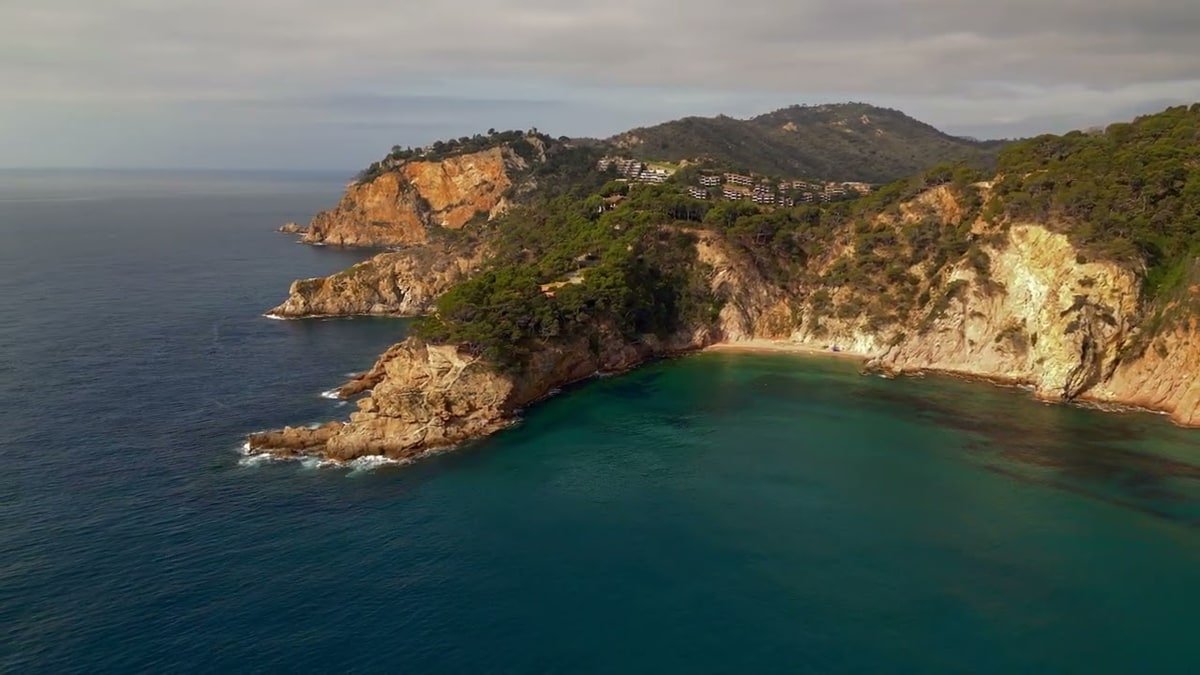
1. Costa Brava, Spain
The Costa Brava is a 200 km rugged coastline in Catalonia, starting at Blanes (72 km from Barcelona) and extending northeast to the French border. The coastline contains over 200 named coves with turquoise water. The Greek-Roman archaeological site of Empúries, located on the Costa Brava near L’Escala, sits directly above the Mediterranean coast. This arrangement parallels Tulum’s Mayan ruins positioned above the Caribbean. 2 towns on the Costa Brava provide the strongest Tulum parallel:Tossa de Mar
Tossa de Mar is a coastal town 84 km northeast of Barcelona. The Vila Vella, the only surviving fortified medieval town by the sea in Catalonia, dates to the 12th century and overlooks a sandy bay with clear turquoise coves below. Cobblestone streets inside the walls contain boutique restaurants and independent shops. The combination of ruins above a beach with clear water is the defining Tulum configuration reproduced in a European context. Moventis operates hourly bus departures from Barcelona Estació d’Autobusos Nord. The journey takes 1 hour and 20 minutes. An alternative route combines the R1 train to Blanes (75 minutes) with a connecting bus.Cadaqués
Cadaqués is a whitewashed village 175 km northeast of Barcelona, known for its bohemian character and cultural connection to Salvador Dalí, who lived and worked in the neighboring hamlet of Portlligat for 40 years. The Dalí House Museum in Portlligat functions as a primary cultural draw. The town requires 2 hours by car from Barcelona via the AP-7 highway. The surrounding Cap de Creus Natural Park contains coves and coastal trails unreachable by road. Cadaqués matches Tulum’s artistic heritage and remote village character more directly than any other destination on the Barcelona coast.2. Sitges, Spain
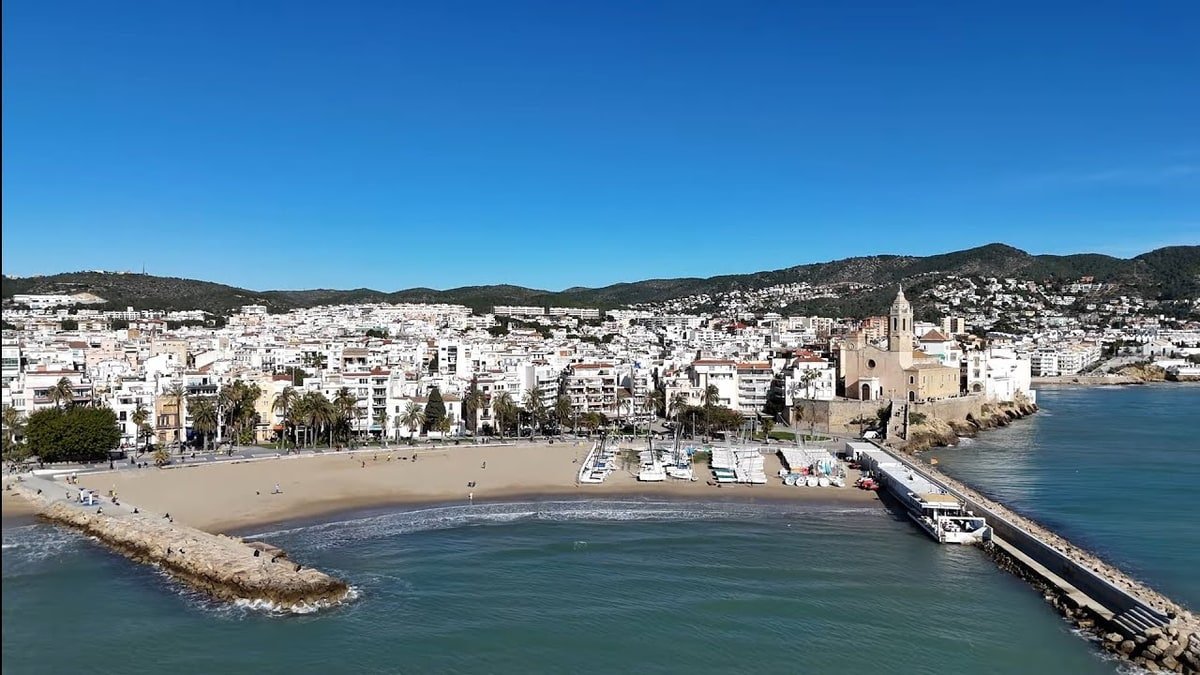
Why Does Sitges Match Tulum’s Appeal?
Sitges provides 4 of Tulum’s 5 core elements: bohemian arts culture, beach clubs, boutique accommodation, and warm-season beaches. The town hosts an international film festival annually in spring. Modernista mansions line the streets behind the seafront. The R2 Sud train from Barcelona Sants reaches Sitges in 35 minutes, with departures every 15 to 30 minutes. Sitges is the most practical Tulum alternative for travelers using Barcelona as a primary base.3. Menorca, Spain
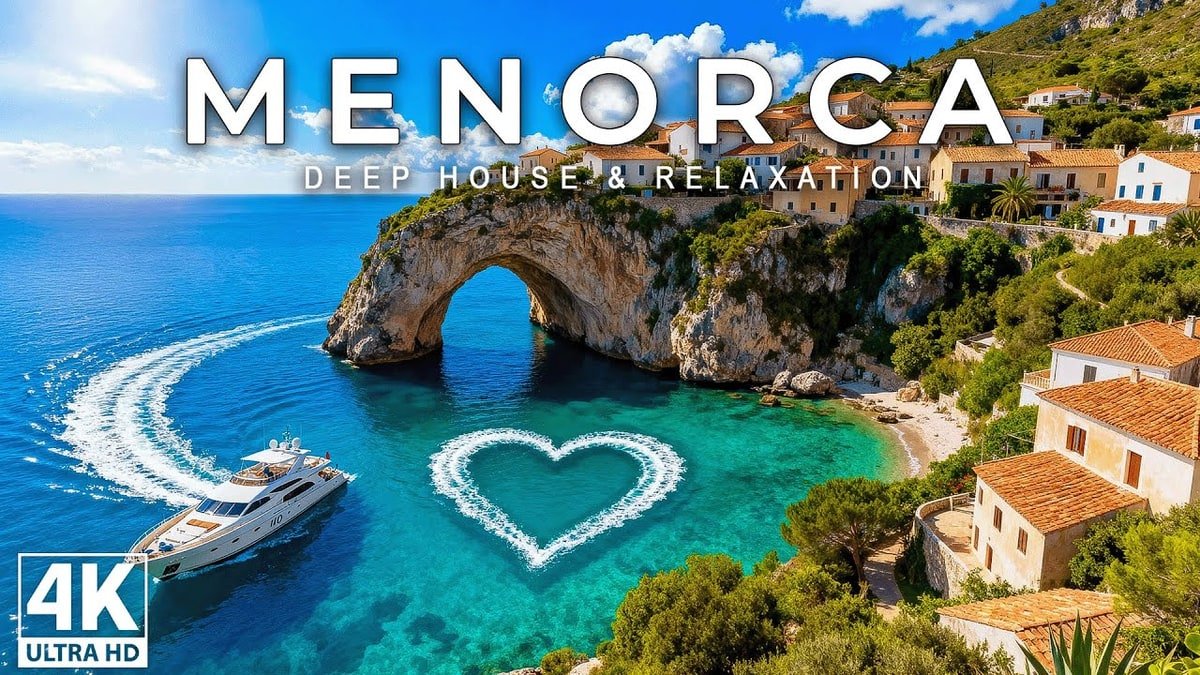
Menorca is a Balearic island accessible by 1-hour flight from Barcelona. UNESCO designated Menorca a Biosphere Reserve in 1993. The island’s coastline extends 216 km and contains over 200 beaches and coves. Coastal development restrictions are enforced across most of the island.Why Does Menorca Match Tulum’s Appeal?
Menorca produces the clearest water of any destination in this list. Posidonia oceanica seagrass meadows beneath the sea naturally filter the water across the south coast. Cala Macarella, Cala Turqueta, and Cala Mitjana are consistently cited as the clearest water beaches in Spain. The island provides boutique rural accommodation and small coastal hotels, with no large resort complexes permitted in most coastal zones. Menorca matches Tulum’s appeal for travelers focused primarily on water clarity, protected natural environment, and the absence of mass tourism infrastructure.4. Hvar, Croatia
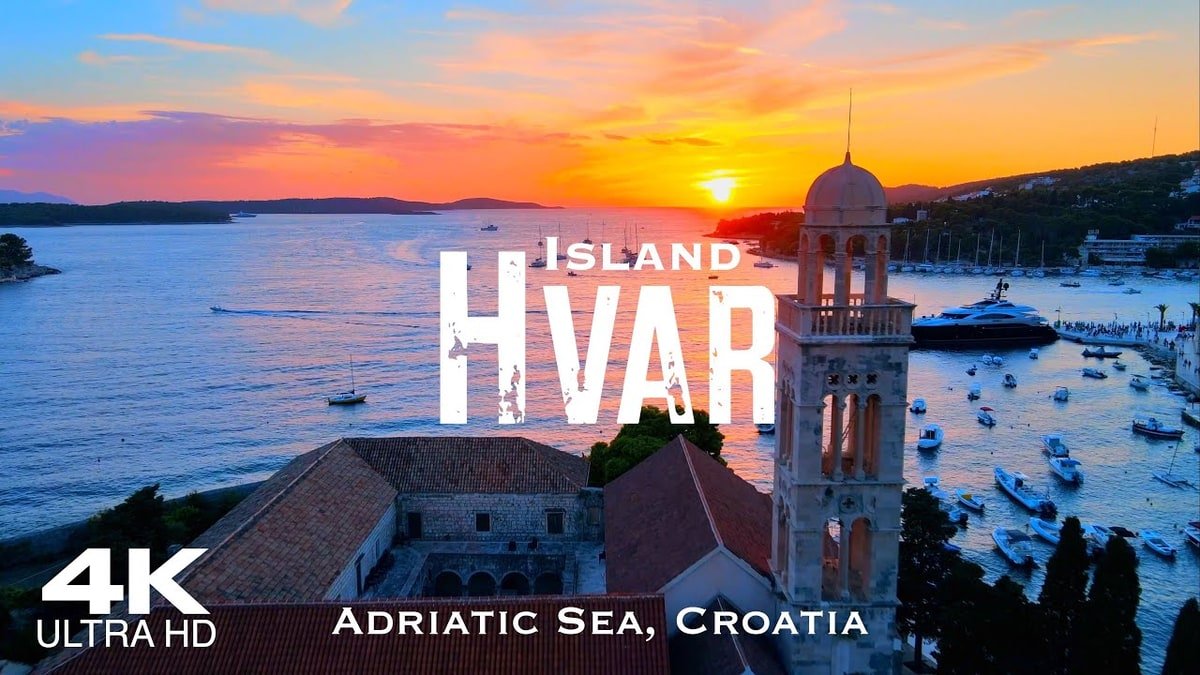
Why Does Hvar Match Tulum’s Appeal?
Hvar provides 4 of Tulum’s 5 core elements: clear water, a walled old town above the sea, boutique accommodation, and an established beach club circuit across the Pakleni Islands. The old town contains cobblestone streets, stone architecture, and a concentration of independent restaurants comparable to Tulum’s central strip. Boutique hotels in Hvar Town range from converted stone townhouses to small coastal properties with sea views.5. Tarifa, Spain
Tarifa is a coastal town on Spain’s southernmost tip in Andalusia, accessible by 1-hour bus from Algeciras or 2-hour bus from Málaga. The town faces the Strait of Gibraltar, with Africa visible on clear days across 14 km of water.Why Does Tarifa Match Tulum’s Appeal?
What Is the Best Time to Visit Tulum Alternatives in Europe?
The warm season for all 5 European destinations runs from May to October. Water temperatures across the Costa Brava, Balearic Islands, and Adriatic peak between July and September. Menorca’s Posidonia seagrass meadows keep water clear from May through October. Tarifa experiences consistent wind from June to September, suited to surf and kite activities.Which European Tulum Alternative Matches Your Trip?
The 5 Tulum alternatives in Europe each deliver different elements of the Tulum experience:- Costa Brava, Spain: ruins above the sea, 200+ turquoise coves, bohemian village character, 72 km from Barcelona
- Sitges, Spain: 17 beaches, 9 Blue Flag certifications, beach clubs, arts scene, 42 km from Barcelona
- Menorca, Spain: clearest water in Spain, UNESCO Biosphere Reserve, no large-scale resort development
- Hvar, Croatia: walled old town, Pakleni Islands coves, boutique accommodation, Adriatic clarity
- Tarifa, Spain: surf and wellness culture, whitewashed old town, 6 km of beach, Strait of Gibraltar setting

Georgia Williams writes for Best Beaches Near Barcelona by riding the same Rodalies trains she sends readers to catch. She has done the quick R2 Sud run out to Castelldefels and Sitges more times than she can count, and the longer hauls north to Calella, Blanes, and the Costa Brava coves around Tossa de Mar, Roses, and Cadaqués.
She is not chasing sponsorships and she does not work with tourism boards. She has stood on enough train platforms recalculating a ruined plan to know that a beach photographed at sunrise with nobody in frame tells you almost nothing about what it looks like at noon in July.
Her writing compares sand, water, and crowd levels town by town, and says plainly when a popular spot has stopped being worth the trip. She also says when an overhyped beach is still genuinely good, because contrarianism for its own sake helps no one packing a beach bag on a Friday morning.