

Barcelona Beach Guide: The 9 Beaches Inside Barcelona City
Barcelona has 9 beaches within the city itself, spread across 4.5 kilometers (2.8 miles) of Mediterranean coastline. These city beaches sit inside Barcelona’s limits and connect directly to the metro network. Best beaches near Barcelona such as Castelldefels or Sitges sit outside the city, along the wider Catalan coast, and are separate destinations.Does Barcelona Have Beaches?
Yes, Barcelona has beaches. The city contains 9 official beaches along its own coastline, all inside city limits and reachable by metro, tram, or bus. Barceloneta is the most famous and most visited of the 9.What Is Barcelona’s Coastline Like?
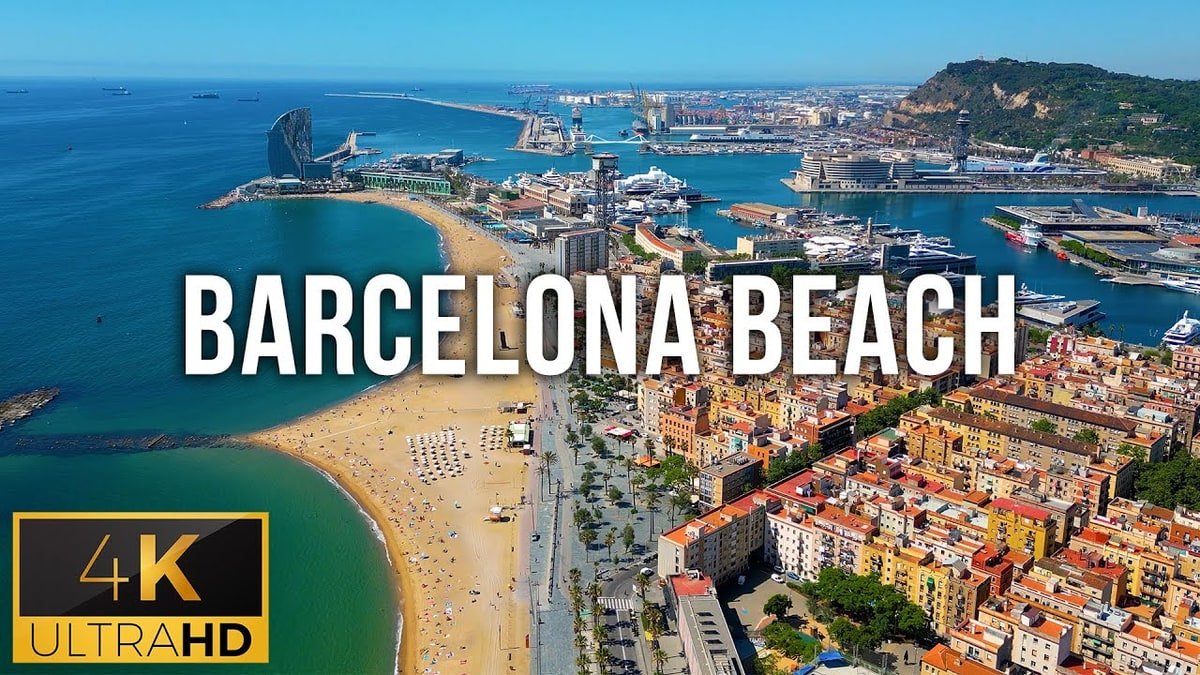
Barcelona’s coastline runs 4.5 kilometers along the Mediterranean Sea, from Sant Sebastià in the Ciutat Vella district to Llevant near the Fòrum complex. A continuous promenade and bike lane link all 9 beaches. The route passes the Port Olímpic marina, the Gas Breakwater, and the Fòrum waterfront.What Are Barcelona’s 9 City Beaches?
What Is Sant Sebastià Beach Known For?
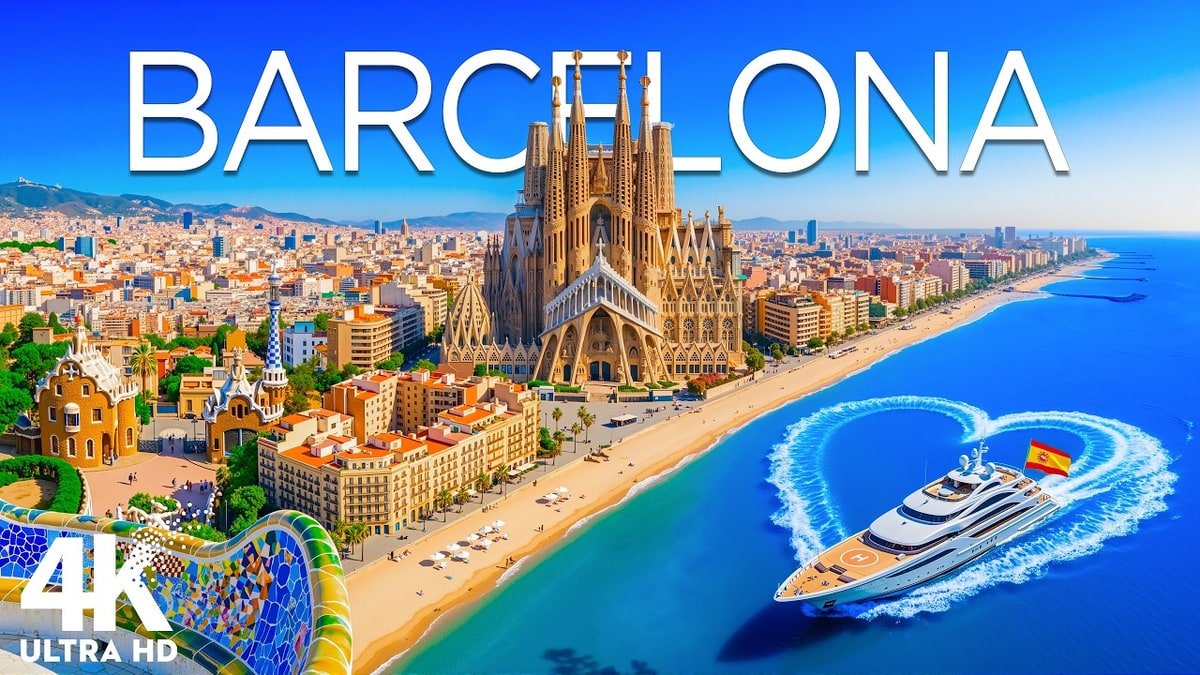
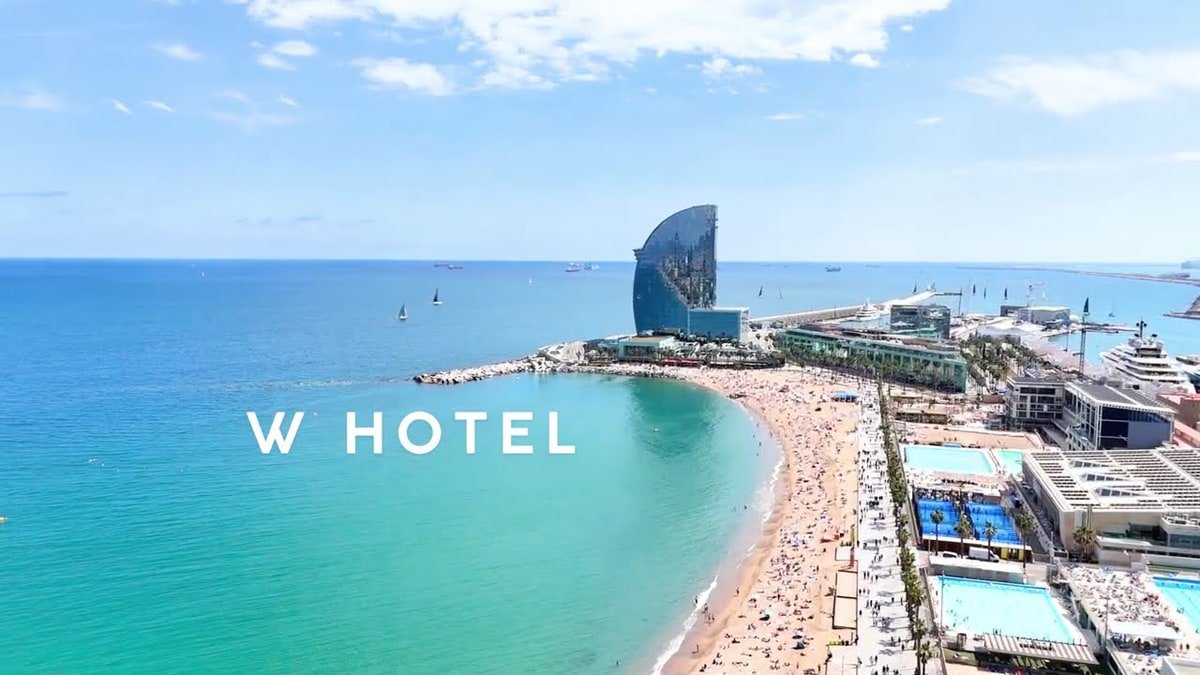
Sant Sebastià is Barcelona’s oldest beach. It takes its name from the city’s first public bathing facility. The beach is one of the longest stretches of sand in the city and sits beside the W Hotel. A designated nudist section occupies its southern end. Adapted showers, reserved parking, and wooden access paths serve visitors with reduced mobility.What Is Sant Miquel Beach Like?
Sant Miquel sits between Sant Sebastià and Barceloneta, in the heart of the Barceloneta neighborhood. The beach takes its name from the district’s patron saint. It draws a quieter crowd than its neighbors and borders local restaurants tied to the area’s fishing history.What Makes Barceloneta Beach Famous?
Barceloneta is Barcelona’s busiest and most visited beach. It runs along the Barceloneta neighborhood, once home to the city’s fishing community. The Gas Breakwater marks its edge and offers open views across the coastline. Activity continues from early morning into the evening, with seafood restaurants and paella stands lining the promenade.What Is Somorrostro Beach Known For?
Somorrostro occupies the former site of a shanty settlement that housed around 15,000 residents through much of the 20th century. The beach now sits beside Frank Gehry’s El Peix sculpture and the Olympic Marina. Volleyball courts and a fitness area fill the daytime hours. Restaurants and clubs along the promenade draw a lively crowd after dark.Is Nova Icària Beach Good for Families?
Nova Icària suits families with young children. The beach has a gentle slope into calm water, breakwaters that limit waves, and a sandy seabed. Facilities include paid sun loungers, wheelchair-accessible paths, a lift for bathers with disabilities, fresh-water showers, and a first-aid post.What Is Bogatell Beach Known For?
Is Mar Bella a Nudist Beach?
Part of Mar Bella is a designated naturist area, making it Barcelona’s main nudist beach. A concrete wall separates the clothing-optional section from the rest of the sand. The remaining beach draws a young, sporty crowd, with calm, clear water suited to windsurfing and paddleboarding.What Activities Does Nova Mar Bella Offer?
Nova Mar Bella is built around sport. The beach has volleyball courts that host regular matches, a football pitch, and open space for other beach games. Local residents of the Sant Martí district make up most of its visitors, giving the beach a calmer, neighborhood feel than the central beaches.What Is Llevant Beach Known For?
Llevant is Barcelona’s newest beach, opened in 2006 as part of the Fòrum redevelopment. It sits at the eastern end of the coastline, next to Parc del Fòrum. Llevant was the first Barcelona beach to allow dogs in the water and still reserves a section for them. Wide, level access suits visitors with reduced mobility.What Is the Best Beach in Barcelona?
What Is the Most Beautiful and Most Famous Beach in Barcelona?
Barceloneta is Barcelona’s most famous beach. It takes its name from the historic fishing neighborhood that lines its promenade. Bogatell is frequently cited by travel guides as the most scenic beach in the city, with clean sand, clear water, and a calmer pace than the central beaches.How Do You Get to Barcelona’s Beaches by Metro?
Metro line L4 (yellow line) runs parallel to the coast and connects to every city beach. The table below lists the closest L4 station and approximate walking time for each beach. Tram line T4 also stops at El Maresme/Fòrum, offering a second route to Llevant and Nova Mar Bella.Which Barcelona Beach Is Best for Families?
Nova Icària and Llevant suit families best. Nova Icària has a gentle slope, calm water, and a children’s play area. Llevant offers wide, level access and a quieter atmosphere, away from the busiest stretches of sand.Which Barcelona Beach Is Best for Swimming and Water Sports?
Are Barcelona’s Beaches Clean and Safe?
Barcelona’s city beaches undergo daily cleaning and water-quality monitoring during the bathing season. Lifeguards staff each beach from late May to late September. Showers, accessible pathways, and first-aid posts are standard across all 9 beaches. Water conditions can shift after heavy rain, when algae levels rise temporarily, though health authorities track and report bathing quality on a regular basis.What Rules Apply on Barcelona’s Beaches?
Smoking has been banned on every Barcelona beach since the summer of 2022. Topless sunbathing is common and socially accepted on all 9 beaches. Full nudity is permitted only within designated naturist areas, such as the southern end of Sant Sebastià and the marked section of Mar Bella. Removing clothing in streets, parks, or shops away from the beach carries fines between 300 and 500 euros.When Is the Best Time to Visit Barcelona’s Beaches?
Barcelona’s beach season runs from late May to late September, when lifeguards, showers, and equipment rental operate at full capacity. June and September bring warm water with smaller crowds than July and August. The beaches stay open year-round, though services are reduced outside the high season.What Are Common Questions About Barcelona’s Beaches?
Is Barcelona Beach Free to Visit?
Entry to every Barcelona beach is free. Sun loungers, umbrellas, and water-sports equipment carry separate rental fees.Can You Bring Dogs to Barcelona Beaches?
Dogs are allowed only in the reserved section of Llevant beach. The other 8 city beaches do not permit dogs during the bathing season.How Far Are Barcelona’s Beaches From the City Center?
Barceloneta and Sant Sebastià, the closest beaches, sit about 10 minutes from the city center by metro. Llevant, the farthest, is reachable within 25 minutes on line L4.What Should You Know Before Visiting Barcelona’s Beaches?
Barcelona beach options inside the city run from the historic sand of Sant Sebastià to the sport-focused layout of Nova Mar Bella, all within a 25-minute metro ride of the center. The 9 Barcelona beaches share one coastline, one promenade, and one metro line, which makes comparing and choosing between them straightforward. Checking the L4 metro map before arrival simplifies the route on the day.
Georgia Williams writes for Best Beaches Near Barcelona by riding the same Rodalies trains she sends readers to catch. She has done the quick R2 Sud run out to Castelldefels and Sitges more times than she can count, and the longer hauls north to Calella, Blanes, and the Costa Brava coves around Tossa de Mar, Roses, and Cadaqués.
She is not chasing sponsorships and she does not work with tourism boards. She has stood on enough train platforms recalculating a ruined plan to know that a beach photographed at sunrise with nobody in frame tells you almost nothing about what it looks like at noon in July.
Her writing compares sand, water, and crowd levels town by town, and says plainly when a popular spot has stopped being worth the trip. She also says when an overhyped beach is still genuinely good, because contrarianism for its own sake helps no one packing a beach bag on a Friday morning.